

Emission Reduction Impact of Aluminum Internal Floating Roofs in Oil Tanks
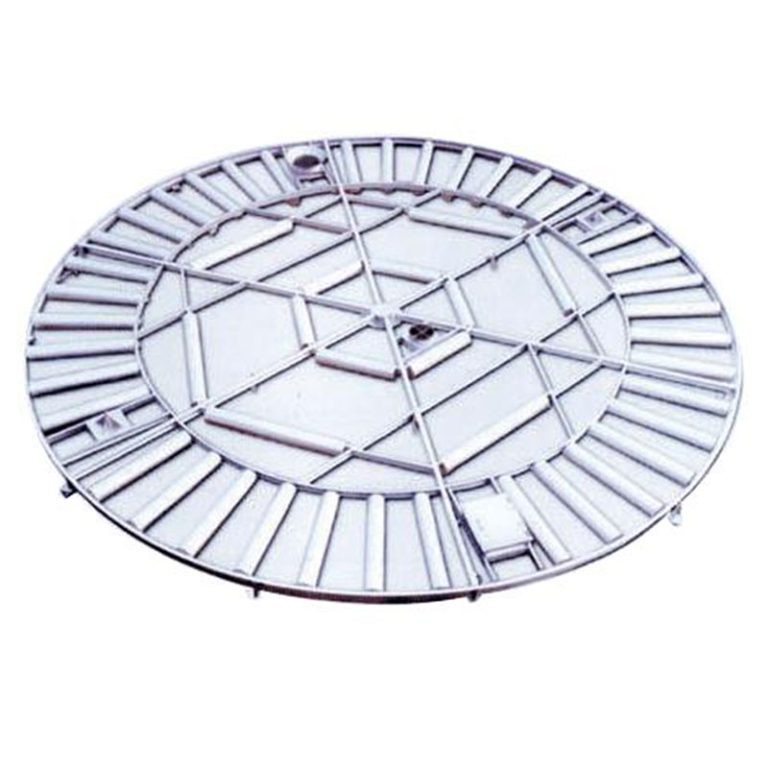
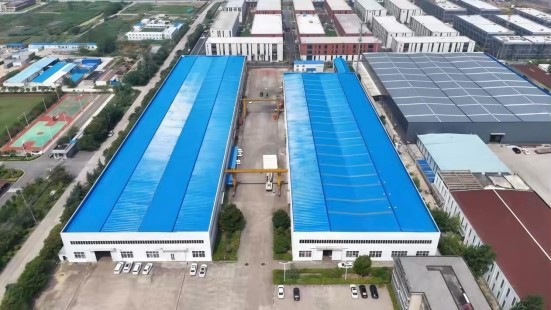
This press release explores the emission reduction mechanisms of aluminum internal floating roofs (IFRs), their operational advantages in oil storage environments, and how integrated engineering capabilities from Hechang help energy operators achieve both regulatory compliance and long-term cost efficiency.
Growing Pressure to Reduce Tank Emissions
Across refineries, tank farms, and petrochemical terminals, evaporative losses from fixed-roof storage tanks have historically been a major source of VOC emissions. These emissions contribute to:
Air pollution and smog formation
Product loss and revenue leakage
Increased fire and explosion risk
Stricter compliance burdens under environmental regulations
Regulators worldwide—including those governing major oil and gas hubs—are imposing tighter limits on storage tank breathing losses and standing losses. As a result, operators are actively upgrading tank vapor control systems, with internal floating roofs becoming one of the most widely adopted retrofit solutions.
How Aluminum Internal Floating Roofs Reduce Emissions
1. Minimizing Vapor Space
The primary emission reduction mechanism of an internal floating roof is straightforward but highly effective. By floating directly on the liquid surface, the roof:
Dramatically reduces vapor space inside the tank
Limits hydrocarbon evaporation
Minimizes oxygen ingress
Stabilizes internal tank pressure
Compared with fixed-roof tanks without floating systems, properly designed IFRs can reduce VOC emissions by up to 90% or more, depending on product volatility and seal performance.
Aluminum IFRs further enhance this effect through lightweight structural behavior that maintains consistent contact with the liquid surface.
2. Advanced Peripheral Sealing Systems
Emission performance depends heavily on rim seal effectiveness. Modern aluminum IFR systems typically incorporate:
Primary liquid-mounted seals
Secondary vapor seals
Low-friction sliding mechanisms
Chemical-resistant sealing materials
These sealing systems minimize vapor escape at the tank shell interface—the most common leakage point.
Hechang’s engineering approach focuses on tight manufacturing tolerances and optimized seal geometry, helping operators maintain long-term emission control even under:
Temperature fluctuations
Tank shell deformation
Frequent filling cycles
High-volatility fuel storage
3. Lightweight Aluminum Structural Benefits
Material selection plays a crucial role in emission performance over the lifecycle of the tank.
Key advantages of aluminum IFR structures include:
Excellent corrosion resistance
Lower structural load on tank walls
Reduced risk of sinking or tilting
Longer maintenance intervals
Improved installation efficiency
Unlike heavier steel floating roofs, aluminum designs place less stress on support components and maintain better buoyancy stability, which directly supports consistent seal performance and emission reduction.
In coastal refineries and humid chemical parks, corrosion resistance becomes particularly critical, making aluminum IFRs increasingly preferred.
4. Fire Safety and Operational Stability
Beyond emission control, aluminum internal floating roofs contribute to safer tank operation.
Safety benefits include:
Reduced vapor accumulation
Lower explosion risk
Compatibility with floating suction systems
Integration with tank gauging and monitoring
Optional anti-static grounding systems
By minimizing hydrocarbon vapor concentration inside the tank, IFRs help operators meet both environmental and process safety objectives simultaneously.
5. Lifecycle Economic Impact
Emission reduction is not only an environmental requirement—it also has direct financial implications.
Operators typically realize savings through:
Reduced product evaporation losses
Lower environmental compliance costs
Fewer odor complaints and community risks
Extended tank service life
Reduced maintenance frequency
When evaluated over a multi-year horizon, aluminum IFR retrofits often deliver strong return on investment, particularly in high-throughput fuel terminals and large tank farms.
Engineering Considerations for Optimal Performance
To achieve maximum emission reduction, several design factors must be carefully engineered:
Tank Compatibility
Proper dimensional matching ensures:
Smooth floating movement
Effective seal compression
Minimal roof tilt
Reliable drainage
Buoyancy Design
Engineers must calculate sufficient buoyancy margin to handle:
Product density variations
Rainwater accumulation
Long-term structural fatigue
Drainage and Access Systems
Well-designed IFR systems include:
Anti-clog deck drains
Inspection ports
Maintenance walkways
Gauge pole sleeves
These features support safe inspection while preserving vapor tightness.
Hechang’s Core Advantages in Storage & Transfer Solutions
While aluminum internal floating roofs play a vital role in emission control, their performance depends heavily on overall system integration and engineering expertise. Lianyungang Hechang Machinery Co., Ltd. brings strong competitive advantages to global clients through its full lifecycle service model.
Comprehensive Engineering Capability
Established in 2009, Hechang specializes in loading, unloading, storage, and transportation system solutions for the oil, chemical, gas, and energy industries. The company provides:
Technical consulting
Engineering design
Equipment manufacturing
Inspection and testing
On-site installation guidance
After-sales operation and maintenance
This integrated approach ensures that floating roof systems function reliably within the broader terminal infrastructure.
Broad Product Portfolio and Application Scenarios
Hechang’s core products span both terminal and onshore handling equipment, including:
Marine loading arms
Tanker loading arms (standard, gantry, cryogenic LNG, pneumatic/electric/hydraulic, intelligent auto-alignment)
Fully automatic intelligent loading systems
Quantitative loading control systems
Quick release hooks
Gangways and hose handling systems
Steel trestles and floating pontoons
These solutions are widely deployed in:
Refineries
Oil and gas terminals
Chemical industrial parks
Storage tank farms
LNG receiving stations
Pharmaceutical and metallurgy facilities
Energy engineering projects
Proven Global Project Experience
To date, Hechang has served more than 2,000 domestic and international clients and successfully completed over 6,000 projects. This extensive field experience enables the company to:
Customize solutions for diverse regulatory environments
Optimize equipment for harsh marine and coastal conditions
Deliver reliable performance in high-throughput terminals
Support long-term operational stability
Clients benefit from both standardized engineering quality and flexible customization capabilities.
Conclusion: A Strategic Path Toward Low-Emission Storage
As environmental compliance and operational efficiency become increasingly intertwined in the global energy sector, aluminum internal floating roofs are proving to be one of the most practical and cost-effective emission reduction upgrades for existing oil storage tanks.
By minimizing vapor space, improving seal performance, and leveraging corrosion-resistant lightweight materials, modern aluminum IFR systems significantly reduce VOC emissions while enhancing tank safety and economic performance.
With its strong engineering foundation, broad product ecosystem, and proven project delivery record, Lianyungang Hechang Machinery Co., Ltd. is well positioned to support energy operators pursuing cleaner, safer, and more efficient storage infrastructure.
For more information, please visit: https://www.chinaloadingarm.com/
Lianyungang Hechang Machinery Co.,Ltd
Lianyungang Hechang Machinery Co.,Ltd
+ +8615261392066
lyg_loadingarm@lyghechang.com
Legal Disclaimer:
EIN Presswire provides this news content "as is" without warranty of any kind. We do not accept any responsibility or liability for the accuracy, content, images, videos, licenses, completeness, legality, or reliability of the information contained in this article. If you have any complaints or copyright issues related to this article, kindly contact the author above.
