

Plant-Based Seafood Market to Hit US$1,014.0M by 2033 at 5.2% CAGR, Driven by Rising Vegan Demand
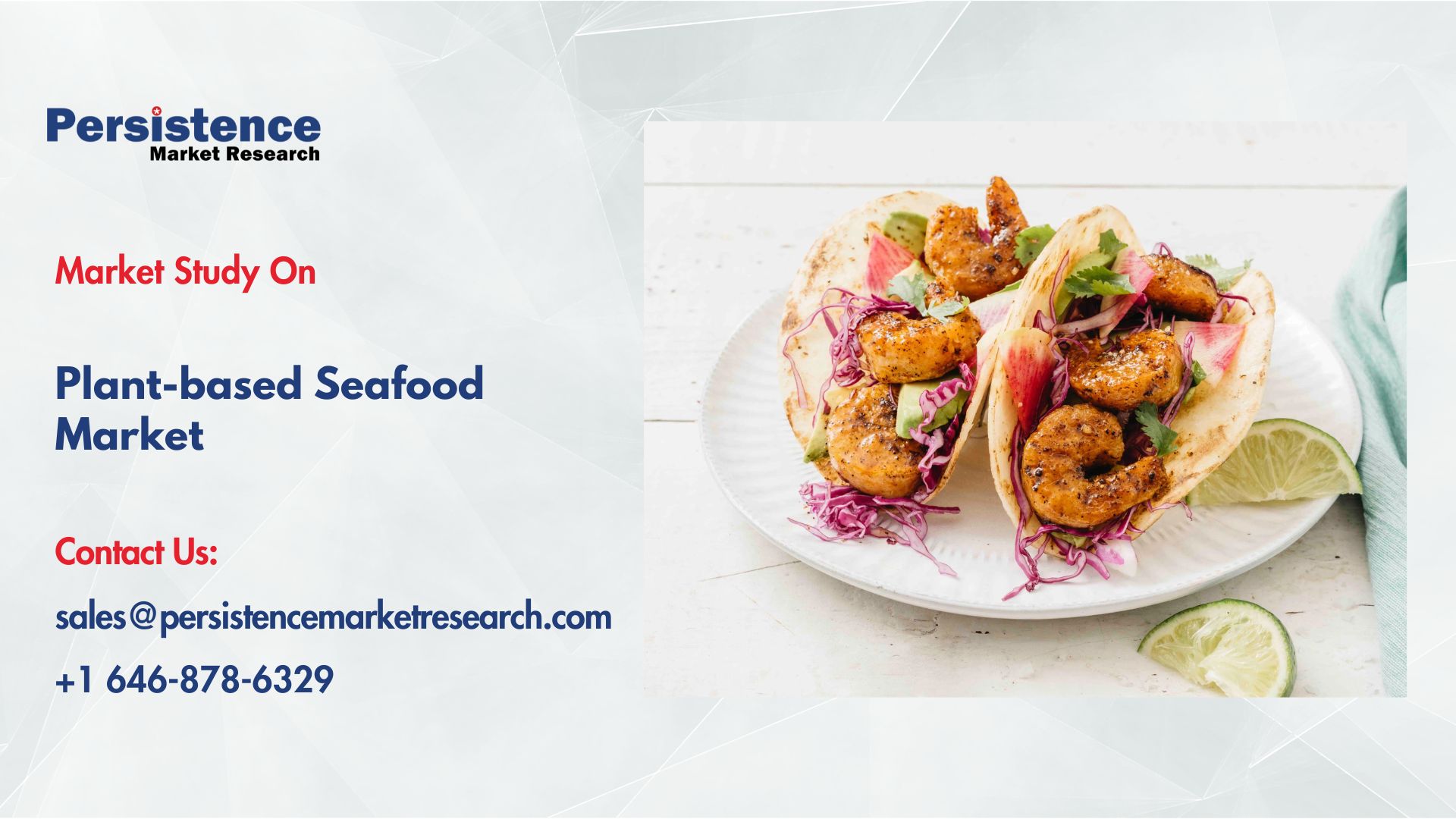
The global plant-based seafood market is projected to reach US$ 1,014.0 Million by 2033, growing at a 5.2% CAGR during 2026–2033 period
BRENTFORD, ENGLAND, UNITED KINGDOM, March 4, 2026 /EINPresswire.com/ -- The global plant-based seafood market is entering a transformative growth phase, fueled by rising consumer demand for sustainable protein alternatives and increasing awareness of marine ecosystem preservation. The market is expected to be valued at US$ 711.1 million in 2026 and is projected to reach US$ 1,014.0 million by 2033, expanding at a compound annual growth rate (CAGR) of 5.2% between 2026 and 2033.
The steady expansion of the plant-based seafood market reflects a broader shift in global dietary patterns toward flexitarian, vegetarian, and vegan lifestyles. Consumers are increasingly seeking alternatives to conventional seafood due to concerns about overfishing, ocean pollution, heavy metal contamination, and environmental degradation. Plant-based seafood products provide a sustainable and ethical solution while replicating the taste, texture, and nutritional profile of traditional fish and shellfish.
Furthermore, technological advancements in food science, improved ingredient formulations, and growing investments from food technology startups and established food manufacturers are strengthening product quality and market penetration. Retail expansion, foodservice adoption, and increasing visibility across mainstream distribution channels are also contributing to market growth.
Get Your FREE Sample Report Instantly – Click Now: https://www.persistencemarketresearch.com/samples/36177
Segmentation Analysis
By Product Type
• Fish alternatives
• Shrimp & Prawn alternatives
• Crab alternatives
• Others
By Source
• Soy
• Pea protein
• Wheat
• Algae & Seaweed
• Others
By Distribution Channel
• Supermarkets/Hypermarkets
• Online Stores
• Specialty Stores
• Others
Need Tailored Insights? Request Customization Now: https://www.persistencemarketresearch.com/request-customization/36177
Regional Insights
North America represents a leading market for plant-based seafood, driven by high consumer awareness, established plant-based food ecosystems, and strong investment activity. The United States, in particular, has witnessed rapid product launches and collaborations between food technology startups and mainstream retailers. Consumer demand for sustainable protein and clean-label products continues to fuel regional growth.
Europe follows closely, supported by stringent environmental regulations, strong sustainability commitments, and growing vegan and flexitarian populations. Countries such as Germany, the United Kingdom, and the Netherlands are at the forefront of plant-based food innovation. Government initiatives promoting reduced carbon emissions and responsible food production are further encouraging adoption.
Asia Pacific is expected to register the fastest growth during the forecast period. Rising disposable incomes, urbanization, and increasing awareness of health and environmental issues are driving market expansion. Traditional seafood consumption patterns in countries such as Japan, South Korea, and China create strong opportunities for plant-based alternatives that replicate culturally significant seafood dishes. Additionally, regional investments in food technology and alternative protein startups are accelerating product innovation.
Latin America and the Middle East & Africa are emerging markets with growing interest in sustainable food systems. Expanding retail infrastructure and gradual shifts in consumer dietary preferences are expected to support long-term growth in these regions.
Unique Features and Innovations in the Market
The plant-based seafood market is characterized by rapid technological innovation aimed at improving taste, texture, and nutritional equivalence. Modern products increasingly incorporate marine-derived ingredients such as algae oil to replicate omega-3 fatty acid content, enhancing nutritional appeal.
Artificial intelligence is being utilized in ingredient research and formulation optimization to replicate the sensory properties of seafood. AI-driven modeling accelerates product development cycles and enhances flavor matching. Meanwhile, fermentation technology and precision fermentation processes are being explored to create seafood-like proteins with improved texture and authenticity.
IoT-enabled supply chain management ensures quality control and efficient cold storage logistics, while blockchain integration enhances transparency and traceability—key factors for environmentally conscious consumers. Packaging innovations focusing on recyclability and reduced plastic usage also contribute to sustainability goals.
Market Highlights
The adoption of plant-based seafood is primarily driven by sustainability concerns, health awareness, and ethical considerations. Businesses across retail and foodservice sectors are embracing plant-based seafood to diversify product portfolios and align with environmental commitments.
Regulatory support for plant-based labeling clarity and alternative protein development is creating a favorable business environment. Additionally, reduced carbon footprint compared to traditional fishing and aquaculture operations strengthens the value proposition of plant-based seafood products.
Cost competitiveness, improved product quality, and expanding consumer acceptance are reinforcing the market’s positive outlook. As global seafood supply faces constraints due to climate change and overfishing, plant-based alternatives are emerging as a viable long-term solution.
Secure Your Full Report – Proceed to Checkout: https://www.persistencemarketresearch.com/request-customization/36177
Key Players and Competitive Landscape
• Good Catch Foods
• New Wave Foods
• Ocean Hugger Foods
• Sophie’s Kitchen
• Gardein (Conagra Brands)
• The Plant Based Seafood Co.
• Impossible Foods
• Nestlé (Vuna/Garden Gourmet)
• Quorn Foods
• Loma Linda / TUNO (Atlantic Natural Foods)
• OmniFoods (OmniSeafood)
• BlueNalu
• Other
Future Opportunities and Growth Prospects
Looking ahead, the plant-based seafood market is poised for sustained growth, supported by evolving consumer preferences, technological breakthroughs, and increasing institutional investments in alternative proteins. Continued improvements in flavor authenticity, nutritional fortification, and cost efficiency are expected to drive broader mainstream acceptance.
Regulatory developments aimed at supporting sustainable food production and reducing environmental impact will further shape industry dynamics. Companies that prioritize innovation, supply chain transparency, and sustainability are likely to gain a competitive advantage.
Overall, the global plant-based seafood market is set to play a significant role in the future of sustainable nutrition, offering attractive growth opportunities for manufacturers, investors, and stakeholders through 2033.
Explore the Latest Trending Research Reports:
Rtd Alcoholic Beverages Market
Animal Feed Additives Market
Aishwarya Doiphode
Persistence Market Research
+1 646-878-6329
email us here
Visit us on social media:
LinkedIn
Instagram
YouTube
X
Legal Disclaimer:
EIN Presswire provides this news content "as is" without warranty of any kind. We do not accept any responsibility or liability for the accuracy, content, images, videos, licenses, completeness, legality, or reliability of the information contained in this article. If you have any complaints or copyright issues related to this article, kindly contact the author above.
